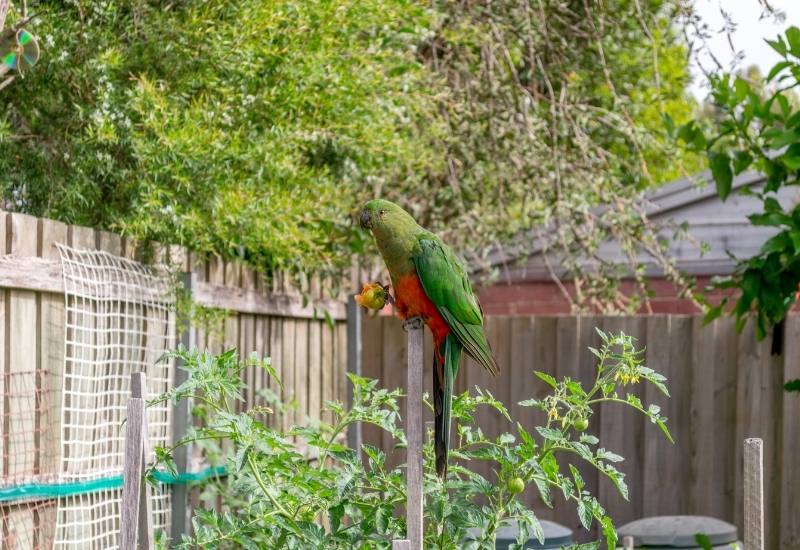
There are few joys in gardening quite like plucking a perfectly ripe, sun-warmed tomato straight from the vine. That initial bite, bursting with the complex flavors of summer, is a reward for months of diligent care. Yet, this idyllic vision is often shattered by a common, persistent adversary: birds. Many a dedicated gardener, including myself with over two decades of experience, has stepped out with anticipation only to find their prized Brandywine or Roma ruined by tell-tale pecks. It's a disheartening sight, transforming a potential harvest into a disappointing loss.
The constant battle to protect ripening tomatoes from our feathered friends is a challenge every gardener faces. But fear not! Through years of observation, trial, and error, and gleaning insights from fellow enthusiasts, I've honed a comprehensive strategy. This guide aims to equip you with the knowledge and actionable tips on how to stop birds from eating tomatoes, ensuring your hard work culminates in a bountiful, blemish-free harvest.
The Allure of the Ripe Red Fruit: Why Birds Can't Resist Your Tomatoes
To effectively protect your tomatoes, it's crucial to understand why birds are so drawn to them in the first place. This knowledge forms the foundation of any targeted defense strategy. It’s not simply a matter of mischief; tomatoes offer a tempting package of survival essentials and deliciousness for birds, much as they do for us.
- A Hydration Station: Especially during hot, dry spells, water sources can be scarce. Tomatoes are remarkably high in water content, making them an irresistible "juice box" for thirsty birds. A few pecks can provide much-needed hydration.
- Nutrient Powerhouse: Beyond water, tomatoes are packed with beneficial nutrients. They're rich in Vitamins A and C, natural sugars, and Lycopene – a powerful antioxidant. For birds, this translates into an easy, nutritious snack that supports their energy needs and overall health.
- Sweet Tooth (or Beak): The natural sugars in ripe tomatoes make them inherently appealing. Birds, like many creatures, are attracted to sweet flavors as a quick energy source.
I’ve personally observed a variety of culprits in my garden over the years. Common offenders include the bold Blue Jays, the melodious Mockingbirds, the familiar Robins, the industrious Finches, and the opportunistic Starlings. Each species might have slightly different habits; for instance, I've noticed robins often target lower-hanging fruits, while blue jays are audacious enough to go for those higher up on the vine. Even woodpeckers, typically insect-eaters, have been known to join the feast when the opportunity arises.
Understanding when birds strike is equally important for refining your defensive tactics. My observations show peak activity during:
- Early Morning: Just after sunrise, when birds are most active and foraging for their first meal of the day.
- Late Afternoon: A couple of hours before sunset, as they stock up for the night.
- Dry Spells: When natural water sources are scarce, making your juicy tomatoes even more attractive.
- The Turning Point: Birds often peck at tomatoes just as they begin to show color. They seem to know a good thing is coming!
Knowing these patterns allows you to concentrate your protection efforts during these critical windows, making your strategies for how to stop birds from eating tomatoes far more efficient.
Early Detection: Spotting the Signs of Feathered Marauders
Becoming adept at identifying bird damage early can save a significant portion of your crop. Over the years, I've developed a keen eye for the tell-tale signs. Unlike insect damage, which might appear as chewed leaves or small holes, bird damage is typically characterized by:
- Distinct Peck Marks: Small, often crescent-shaped punctures or divots, usually concentrated on one side of the fruit.
- Shallow Bites: Birds typically peck at the surface to access the moisture and pulp, rather than consuming the entire fruit like a squirrel might.
- Multiple Fruits Affected: Birds tend to sample many fruits, leaving a trail of partially damaged tomatoes rather than focusing on a single one.
- Signs of Decay: The pecked areas, once exposed, quickly become entry points for bacteria, fungi, and fruit flies, leading to rapid rot.
Regular inspection of your plants, particularly during peak bird activity times, will enable you to intervene swiftly and adjust your defenses before widespread damage occurs. Don't confuse bird damage with other garden pests; squirrels tend to carry off whole fruits or leave larger, more destructive bites, while hornworms leave behind distinctive droppings and skeletonized leaves.
Proactive Protection: Effective Strategies to Safeguard Your Harvest
Now that we understand the "why" and "when," let's dive into the practical solutions for how to stop birds from eating tomatoes. The most effective approach is often a multi-pronged one, combining several humane deterrents.
1. Physical Barriers: The Most Reliable Defense
In my experience, physical exclusion is hands down the most effective method to protect your crop. If birds can't reach the fruit, they can't eat it.
- Bird Netting: This is a gardener's best friend. Drape lightweight, UV-resistant bird netting over your tomato plants, securing the edges to the ground or around stakes. Ensure the mesh size is small enough to prevent birds from getting tangled. This creates an impenetrable barrier. While effective, it can make harvesting a bit cumbersome, so consider easy-access designs. For more in-depth techniques, you might find valuable insights in Master Gardener Secrets: Stop Birds From Ruining Your Tomatoes.
- Tomato Cages with Covers: If you use tomato cages, consider wrapping them with finer mesh netting or even floating row covers once fruits begin to ripen. This provides structure and protection.
2. Visual Deterrents: Playing on Fear and Confusion
Birds are naturally wary, and sudden flashes or unfamiliar objects can often scare them away, at least temporarily.
- Reflective Objects: Hang old CDs, strips of aluminum foil, or specialized reflective scare tape near your plants. The flashing light and movement often disorient and deter birds. Remember to move them around every few days to prevent birds from habituating.
- Fake Predators: Owl decoys or snake replicas can work, but their effectiveness diminishes quickly as birds realize they aren't real threats. Moving them frequently and combining them with sound deterrents can improve results.
3. Sound Deterrents: Startling Them Away
While often less effective on their own, sound can be a good addition to a multi-faceted approach.
- Wind Chimes or Bells: The unexpected noise can sometimes keep birds away.
- Motion-Activated Sprinklers: These high-tech solutions detect movement and spray water, startling birds (and other critters) away. They are particularly effective for thirsty birds and have the added benefit of watering your plants!
4. Alternative Attractions: A Distraction Strategy
Sometimes, giving birds what they want elsewhere can save your tomatoes. This humane approach acknowledges their needs.
- Bird Baths: Providing a consistent, fresh water source away from your tomato patch can significantly reduce their need to peck your fruits for hydration.
- Berry Bushes: Planting an alternative food source like serviceberries, mulberries, or native berry bushes that ripen around the same time as your tomatoes can sometimes divert their attention.
5. Harvest Strategically: Timing is Everything
If you can, pick your tomatoes just as they begin to blush or show signs of turning red. They will continue to ripen indoors at room temperature, safe from hungry beaks. This is a simple yet highly effective way to guarantee a bird-free harvest, especially if other methods prove challenging.
For more detailed and humane techniques, including creative DIY solutions, explore Stop Birds From Eating Tomatoes: 7 Humane Ways to Protect Your Harvest.
Beyond the Basics: Advanced Tips for Persistent Pests
Even with the best strategies, some birds can be particularly persistent. Here are a few additional insights from my years in the garden:
- Integrated Pest Management (IPM): The most successful gardeners don't rely on a single solution. Combine netting with reflective tape, add a bird bath, and harvest early. A layered defense is always stronger.
- Consistency is Key: Whatever methods you choose, be consistent. Moving deterrents, checking nets, and refilling bird baths regularly prevents birds from becoming accustomed to your efforts.
- Observe and Adapt: Every garden is unique. Pay close attention to which strategies work best in your specific environment and with your local bird population. Are robins your main issue, or blue jays? Tailor your response accordingly.
- Patience and Persistence: Protecting your harvest is an ongoing commitment. Don't get discouraged if one method doesn't work immediately. Adjust, try new things, and stay vigilant.
Remember, the goal is not to harm the birds, but to gently dissuade them from feasting on your precious crop. We share our environment with these creatures, and humane methods are always the best approach.
Protecting your tomato crop from birds is more than just saving a few fruits; it's about safeguarding the time, effort, and passion you pour into your garden. By understanding why birds are attracted to tomatoes and implementing a thoughtful, multi-faceted strategy, you can enjoy the delicious rewards of your labor. From physical barriers to clever deterrents and alternative offerings, the solutions for how to stop birds from eating tomatoes are within reach. Embrace these techniques, stay vigilant, and get ready to savor every sun-ripened, homegrown bite, knowing it was truly yours to enjoy.
