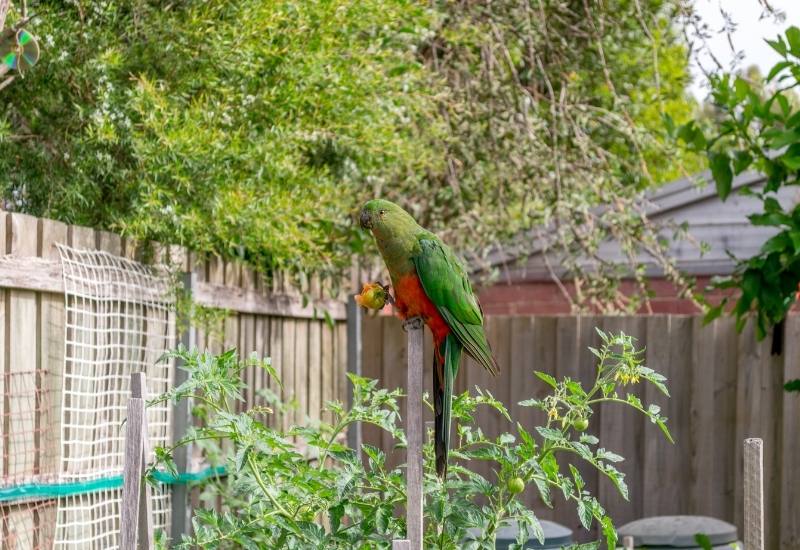
Master Gardener Secrets: Stop Birds From Ruining Your Tomatoes
There’s a special kind of magic that unfolds in a garden. The scent of warm earth, the vibrant green of new growth, and the anticipation of a bountiful harvest. For many, the crown jewel of this harvest is the homegrown tomato. As a certified Master Gardener with over two decades of experience, I can attest there's nothing quite like the burst of flavor from a perfectly ripe, sun-warmed tomato straight off the vine. It was a perfectly sweet Brandywine that first ignited my lifelong passion for cultivating these juicy delights, a flavor revelation far superior to anything from a supermarket shelf.
However, the path to tomato perfection is often fraught with challenges. While diseases and pests like aphids can be frustrating, few issues cause as much heartbreak and persistent struggle as birds deciding your ripening tomatoes are their personal buffet. You invest time, effort, and love into nurturing your plants, only to discover your prized fruits pecked, bruised, and rendered inedible. This isn't just about losing a few tomatoes; it's about safeguarding the very joy and reward of your gardening efforts. My extensive journey through trial and error, research, and collaboration with fellow green thumbs has equipped me with a comprehensive arsenal of strategies for
how to stop birds from eating tomatoes. In this guide, I’ll share my hard-won knowledge and practical tips to ensure you, not our feathered friends, get to enjoy the fruits of your labor.
Understanding the Attraction: Why Birds Love Your Tomatoes So Much
To effectively protect your tomato crop, it’s essential to first understand what makes these garden jewels so irresistible to birds. This insight has been pivotal in developing my targeted, humane strategies. Birds aren't just being mischievous; they're often seeking vital nutrients and hydration.
Tomatoes are a nutritional powerhouse for birds, much like they are for us. They’re packed with:
* **High Water Content:** Especially crucial during dry spells, ripe tomatoes offer a much-needed source of hydration.
* **Vitamins A and C:** Essential for bird health, vision, and immune function.
* **Lycopene:** A powerful antioxidant, beneficial for both avian and human well-being.
* **Natural Sugars:** A quick and easy energy boost, particularly appealing to active birds.
Over the years, I've identified several common culprits in my garden’s tomato raids. The usual suspects include Robins, Mockingbirds, Blue Jays, Finches, and Starlings. Woodpeckers can also be surprisingly keen on juicy tomatoes. Each species exhibits slightly different habits. For instance, I’ve observed robins often target lower-hanging fruits, while bold blue jays are unafraid to tackle tomatoes higher up the plant. Understanding these preferences helps tailor your defense.
Birds also have specific schedules. I've noted peak raiding times:
* **Early Morning:** Just after sunrise, as birds are active and seeking their first meal.
* **Late Afternoon:** A couple of hours before sunset, as they fuel up before roosting.
* **Dry Spells:** When natural water sources are scarce, your juicy tomatoes become even more appealing.
* **Ripening Stage:** Birds often peck at tomatoes just as they begin to turn color, likely testing for ripeness.
For a deeper dive into the specific reasons birds are drawn to your harvest, you might find this related article insightful:
Why Birds Love Your Tomatoes: Targeted Strategies to Protect Your Crop.
Early Detection: Spotting the Signs of a Feathered Foe
Catching bird damage early can be the difference between losing a few fruits and losing your entire harvest. Over my years in the garden, I’ve developed an eye for the telltale signs:
* **Small, Irregular Peck Marks:** Unlike insect damage which is often more systematic, bird pecks are usually uneven, shallow holes, often found near the top or shoulder of the fruit.
* **Bruising and Soft Spots:** A tomato that has been pecked will quickly soften and bruise around the injury, making it susceptible to rot and further pest infestation.
* **Scattered Seeds:** Sometimes, you'll find seeds scattered on leaves or the ground beneath a damaged tomato, a clear sign of a bird's meal.
* **Holes of Varying Depths:** Some pecks might be superficial, while others can be deep enough to expose the inner flesh.
Regular, daily inspection of your tomato plants, especially during peak ripening times, will allow you to intervene before widespread damage occurs.
Proactive Prevention: Master Gardener Strategies to Protect Your Harvest
Now for the actionable solutions on
how to stop birds from eating tomatoes. My approach involves a combination of humane methods, often deployed simultaneously for maximum effect. Consistency is key, as birds are intelligent and can quickly learn to circumvent single, static deterrents.
1. Physical Barriers: The Most Reliable Defense
For serious bird problems, physical exclusion is hands down the most effective strategy.
* **Bird Netting:** This is my go-to solution. Drape fine mesh bird netting over your tomato plants, securing the edges to the ground or stakes to prevent birds from sneaking underneath. Look for netting with a mesh size small enough to prevent birds from getting tangled (around 1/2 to 1 inch). Install it *before* your tomatoes start to ripen, as birds are drawn to the first hint of color. Remember to keep it taut and away from the fruit itself, so birds can't peck through the mesh.
* **Row Covers:** While often used for insect protection, lightweight floating row covers can also deter birds. They allow light and water through but create a physical barrier.
* **Tomato Cages with Covers:** If you use tomato cages, consider wrapping them with finer mesh or even old window screens. This creates a more rigid, enclosed structure.
* **Individual Fruit Protection:** For a smaller harvest or particularly prized heirloom varieties, individual organza bags (often used for grapes) can be slipped over ripening tomatoes. This is more labor-intensive but highly effective.
2. Visual Deterrents: Scare Tactics (with a Twist)
Birds are naturally wary, and sudden or unfamiliar objects can deter them.
* **Reflective Tape or Discs:** Strips of reflective Mylar tape or old CDs/DVDs hung from stakes or branches will flutter and flash in the sunlight, creating unpredictable movement and reflections that birds dislike. Their effectiveness can wane over time as birds become accustomed to them, so move them occasionally.
* **Predator Decoys:** Owls or hawk decoys can work, but their effectiveness diminishes if they remain static. Periodically moving them to new locations makes them more believable.
* **Shiny Red Spheres:** Some gardeners swear by painting small, smooth rocks red and placing them amongst green tomatoes *before* any fruit ripens. The idea is that birds peck at the hard, unrewarding rocks and eventually associate red with a bad experience, leaving the actual red tomatoes alone. I've had mixed results with this, but it's a creative, humane approach.
3. Auditory Deterrents: The Sound of Safety
While often less reliable than physical barriers, auditory deterrents can complement other methods.
* **Wind Chimes:** The unpredictable sounds can keep some birds away.
* **Ultrasonic Devices:** These emit high-frequency sounds that are supposedly irritating to birds but inaudible to humans. Their efficacy is debatable and often limited by obstacles and range.
* **Distress Call Recordings:** Some devices play recordings of bird distress calls or predator sounds. These can be effective for a period but should be used sparingly and rotated to prevent birds from habituating.
4. Environmental Adjustments: Making Your Garden Less Appealing
Sometimes, a few simple changes can make your garden less attractive to hungry birds.
* **Provide an Alternative Water Source:** As birds often seek hydration, placing a bird bath with fresh water *away* from your tomato patch might divert their attention. This is a humane way to address their primary need without sacrificing your harvest.
* **Offer Alternative Food Sources:** Planting sunflowers, berry bushes, or other bird-friendly crops in a designated area away from your vegetables can sometimes keep them busy elsewhere.
* **Harvest Promptly:** Don't leave ripe tomatoes on the vine any longer than necessary. The moment they reach peak ripeness, pick them! This removes the temptation and gives birds less opportunity to strike.
* **Consider Companion Planting:** While not a direct bird deterrent, strong-smelling herbs like basil or mint planted around tomatoes might mask their scent slightly, or simply make the area less comfortable for birds.
Implementing a combination of these strategies, particularly focusing on robust physical barriers, will dramatically improve your chances of success. For additional humane ways to safeguard your harvest, I recommend reading:
Stop Birds From Eating Tomatoes: 7 Humane Ways to Protect Your Harvest.
Long-Term Success: Integrated Pest Management for Tomatoes
Protecting your tomatoes from birds isn't a one-time fix; it's an ongoing process that requires observation and adaptation. Birds are clever and will eventually learn to bypass static deterrents. The most successful approach is an integrated pest management (IPM) strategy:
* **Rotate Methods:** Don't rely on a single deterrent for too long. If you're using reflective tape, switch to netting, or add a decoy.
* **Monitor Daily:** Keep a close eye on your plants and the birds in your garden. Note their patterns, preferred targets, and what methods seem most effective.
* **Stay Persistent:** Early season diligence can set the tone. If birds learn your garden is a difficult target from the start, they are more likely to seek food elsewhere.
* **Embrace Humanness:** Remember, birds are part of the ecosystem. Our goal is to protect our crops, not harm the birds. Focus on deterrence and exclusion rather than lethal methods.
Conclusion
The satisfaction of harvesting your own flawless tomatoes is a gardener's unparalleled reward. While birds can be a formidable challenge, armed with the right knowledge and a proactive approach, you can defend your delicious crop. By understanding why birds are attracted, knowing what signs to look for, and implementing a multi-faceted strategy of physical barriers, visual, and auditory deterrents, alongside thoughtful environmental adjustments, you can effectively master
how to stop birds from eating tomatoes. Protect your hard work, savor your harvest, and enjoy the taste of true homegrown success!