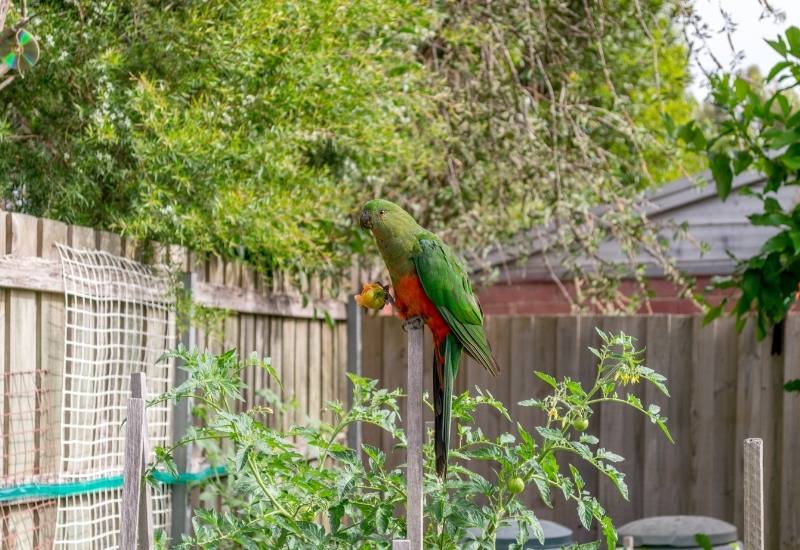
Stop Birds From Eating Tomatoes: Reclaiming Your Hard-Won Harvest
There are few joys in the gardening world quite like the anticipation of plucking a perfectly ripe, sun-warmed tomato from the vine. The rich aroma, the vibrant color, the promise of unparalleled flavor – it's a testament to your patience, effort, and love for the soil. Yet, this idyllic scene can quickly turn to heartbreak when you discover your prize tomatoes pecked, bruised, and rendered inedible by opportunistic feathered friends. As a seasoned gardener with years of hands-on experience, I've personally faced the relentless challenge of protecting my tomato bounty from birds. This guide aims to equip you with effective, humane strategies for
how to stop birds from eating tomatoes, ensuring your hard work culminates in a bountiful, intact harvest.
The frustration is universal: you spend months nurturing your plants, only to have your ripening tomatoes become an irresistible snack for local avian populations. It's a battle many gardeners know well, but it's not one you have to lose. By understanding why birds are drawn to your garden and implementing a combination of preventative measures, you can safeguard your precious crop without resorting to harmful methods.
Understanding Our Feathered Foes: Why Birds Love Your Tomatoes
To effectively deter birds, it’s crucial to first grasp what makes your tomatoes so appealing to them. This insight has been invaluable in my own garden, allowing for more targeted and successful protection strategies.
Tomatoes aren't just a delicious treat for us; they're a nutritional powerhouse for birds too. Their allure lies in several key factors:
*
High Water Content: Especially during dry spells, tomatoes serve as an excellent source of hydration, making them a lifeline for birds when natural water sources are scarce.
*
Nutrient-Rich: Packed with Vitamins A and C, natural sugars, and antioxidants like Lycopene, tomatoes offer a healthy snack that birds instinctively seek out.
*
Easy Access: Once a tomato begins to ripen and soften, its tender skin becomes an easy target for a bird's beak.
In my experience, certain species are more notorious for tomato raids. Common culprits include Robins, Mockingbirds, Blue Jays, Finches, and Starlings, but even woodpeckers can get in on the action. Each has its preferred feeding habits; Robins might favor lower-hanging fruits, while bold Blue Jays won't hesitate to target tomatoes higher up on the plant.
Observation has also taught me about peak times for these garden raids. Birds are most active in the early morning (just after sunrise) and late afternoon (a couple of hours before sunset). They are particularly opportunistic during dry periods and when fruits are just beginning to turn color – often pecking at tomatoes as they start to ripen. For a deeper dive into understanding their motivations and more targeted solutions, explore our guide on
Why Birds Love Your Tomatoes: Targeted Strategies to Protect Your Crop.
The Heartbreak of the Pecked Harvest: Identifying Bird Damage
Spotting bird damage early can be the difference between losing a few fruits and sacrificing your entire crop. Over the years, I've become quite adept at identifying the tell-tale signs:
*
Distinctive Peck Marks: Unlike insect damage which might be more uniform or tunneling, bird damage often appears as irregular, often deep, triangular or round pecks. You might find several such holes on a single fruit.
*
Partial Consumption: Birds rarely finish an entire tomato in one go. Instead, they’ll peck at several fruits, taking a few bites from each, leaving a trail of ruined produce.
*
Location on the Fruit: Birds often target the ripest, softest part of the tomato, which is usually at the top or shoulder near the stem. However, during dry spells, they might peck anywhere to access the moisture.
*
Lack of Other Pests: If you see damage but no signs of caterpillars, slugs, or other common tomato pests, birds are highly likely to be the culprits.
Early detection allows you to implement protective measures before significant losses occur, saving you immense frustration.
7 Humane Ways to Stop Birds From Eating Tomatoes
Protecting your tomato harvest doesn't require harsh chemicals or traps. These humane methods focus on deterring birds safely, allowing both you and your feathered neighbors to coexist peacefully.
1. Netting Your Plants
This is arguably the most effective physical barrier against birds.
Bird netting creates an impenetrable shield around your plants, preventing access while still allowing sunlight, air, and water to reach them.
*
How to Implement: Drape fine-mesh bird netting over your tomato plants once fruits begin to appear or start to ripen. For optimal protection, it's best to create a simple frame (using stakes, PVC pipes, or hoops) over your plants and then drape the netting over the frame. This prevents the netting from resting directly on the fruit, which birds could still peck through, and also makes harvesting easier. Ensure the netting is securely fastened to the ground or around the base of the plants to prevent birds from sneaking underneath.
*
Humane Aspect: Choose a netting with a mesh size small enough to deter birds (typically ¼ to ½ inch) but large enough to prevent entanglement. Regularly check the netting for any small tears where birds might get caught and free any trapped birds gently.
2. Row Covers or Cages with Mesh
Similar to netting but often more robust, constructing dedicated cages or row covers offers superior protection.
*
How to Implement: Build simple wooden or PVC frames around your tomato rows or individual plants. Then, cover these frames with fine bird netting, insect mesh, or even hardware cloth for very aggressive birds. Ensure there are access points for you to prune, water, and harvest without having to dismantle the entire structure.
*
Humane Aspect: A well-constructed frame prevents the netting from sagging, minimizing the risk of entanglement. It's a complete physical barrier that keeps birds out without harming them.
3. Scare Tactics and Reflective Deterrents
Birds are often wary of movement, shiny objects, and unfamiliar shapes. Capitalize on this natural caution.
*
How to Implement: Hang old CDs, reflective Mylar tape, aluminum foil strips, or reflective pinwheels near your tomato plants. The flashing light and movement can startle birds and make them think twice about landing. You can also deploy fake owls or plastic snakes, but remember to move them every few days; birds are intelligent and will quickly learn they pose no real threat if stationary.
*
Humane Aspect: These methods simply frighten birds away, causing no physical harm.
*
Tip: Varying the type and location of your deterrents will help maintain their effectiveness.
4. Providing Alternative Water Sources
As mentioned, birds often peck at tomatoes for their water content, especially during dry spells. Offering an easier, dedicated water source can divert their attention.
*
How to Implement: Place one or two shallow bird baths or even simple dishes of fresh water in a visible spot in your garden, but *away* from your tomato plants. Ensure the water is kept clean and refilled daily.
*
Humane Aspect: This strategy addresses a primary need for birds, offering them a safe alternative to pecking your crops.
*
Tip: A small rock in the bird bath can give smaller birds a place to perch.
5. Decoy Fruits (Red Ornaments)
This clever Master Gardener trick plays on a bird's instinct to peck at ripening fruit.
*
How to Implement: Before your actual tomatoes begin to ripen, paint a few small rocks bright red or use old red Christmas ornaments. Place these "decoy" fruits strategically among your green tomato plants. Birds will be attracted to the red color, peck at the hard decoys, and quickly learn that red, tomato-like objects in *your* garden are unappealing and not worth the effort. By the time your real tomatoes ripen, they might have learned their lesson.
*
Humane Aspect: It's a harmless training exercise for birds, teaching them to avoid your tomato patch.
*
Tip: Start this method early in the season, as soon as the first green tomatoes appear.
6. Planting Distraction Crops (Sacrificial Plants)
Sometimes, the best defense is a good offense – offering birds something they like even more than your tomatoes, planted at a distance.
*
How to Implement: Consider planting berry bushes (like mulberries or serviceberries), sunflowers, or other fruit-bearing plants known to attract birds, in a separate area of your yard. The idea is to provide an alternative food source that will keep them occupied and away from your prized tomatoes.
*
Humane Aspect: This is a win-win, as you provide habitat and food for wildlife while protecting your main harvest.
*
Tip: Ensure these distraction crops ripen *before* or at the same time as your tomatoes to maximize their effectiveness.
7. Harvesting Promptly
This might seem obvious, but leaving ripe tomatoes on the vine acts as an open invitation.
*
How to Implement: Check your tomato plants daily, especially during peak ripening season. Harvest tomatoes as soon as they reach their peak ripeness, or even slightly before if you notice signs of bird activity. Many tomato varieties will continue to ripen indoors on the counter.
*
Humane Aspect: By removing the tempting, ripe fruit, you reduce the incentive for birds to visit your plants in the first place.
*
Tip: This also helps prevent over-ripening, cracking, and attracting other pests. For more comprehensive insights into protecting your harvest, don't miss our article on
Master Gardener Secrets: Stop Birds From Ruining Your Tomatoes.
Combining Strategies for Best Results
No single method is foolproof on its own. The most successful approach to
how to stop birds from eating tomatoes involves combining several of these humane strategies. For instance, using netting as a primary physical barrier, while also deploying reflective deterrents and offering a water source, creates a multi-layered defense that is much harder for birds to overcome.
Observe your garden and the specific bird species you're dealing with. Are they attracted to water, or are they after the sweet fruit? Tailor your defense strategy to your unique situation, and remember that consistency is key.
Enjoy the Fruits of Your Labor
Protecting your tomato harvest from birds is an ongoing aspect of gardening, but it doesn't have to be a source of constant frustration. By implementing these humane and effective strategies, you can significantly reduce bird damage and enjoy the unparalleled satisfaction of biting into a perfectly preserved, homegrown tomato. Your effort and dedication will be rewarded with a bountiful harvest, allowing you to truly savor the fruits of your labor – bird-free.